Do I have ADHD?

Sarah Kenyon-Baker • January 27, 2026

Understanding ADHD in Adulthood and the Power of Finally Having Clarity

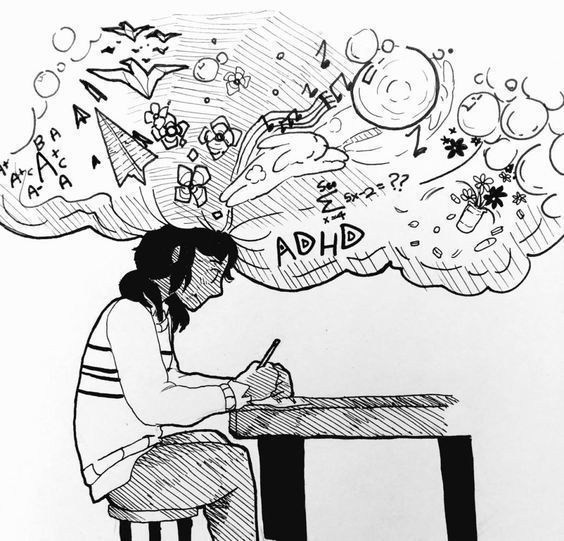
Have you ever wondered why life feels harder for you than it seems to be for everyone else? Why simple tasks feel overwhelming, motivation comes and goes unpredictably, or you constantly feel like you’re falling short of your potential? You’re not alone, and it might be time to consider whether ADHD has been part of your story all along.


In 2023, an estimated 15.5 million U.S. adults had an ADHD diagnosis, with approximately half receiving that diagnosis in adulthood. This means millions of people spent their childhood—and often a significant part of their adult life—without understanding why certain things felt so much harder for them than for others. Undiagnosed ADHD can quietly shape a person’s life, contributing to depression and anxiety, career instability, burnout, risky behaviors, and ongoing struggles with organization, focus, relationships, and self-esteem.

For many adults, discovering they have ADHD can be both emotional and relieving. It offers a new lens through which to understand past experiences and opens the door to support, tools, and strategies that actually work for the way your brain functions.


Understanding the Types of ADHD


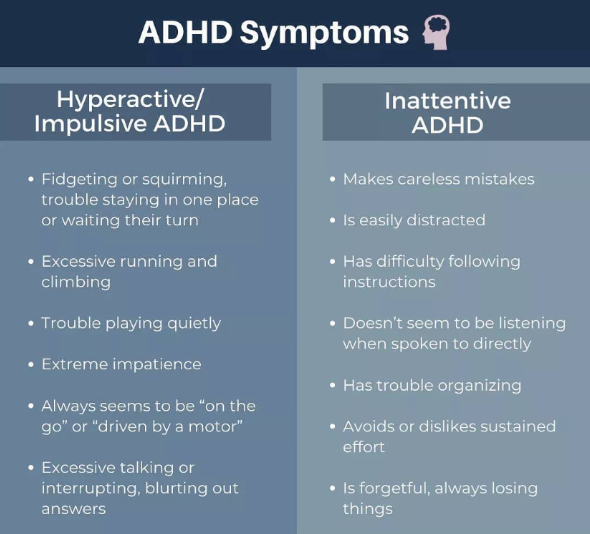
When considering whether seeking an ADHD diagnosis is right for you, it’s helpful to understand the three primary types of ADHD:

Predominantly Hyperactive-Impulsive Type: Often associated with restlessness, difficulty sitting still, impulsive decision-making, and a feeling of being constantly “on the go.”

Predominantly Inattentive Type: Commonly involves trouble sustaining focus, forgetfulness, disorganization, difficulty following through on tasks, and mental fatigue. This type is frequently overlooked, especially in adults.

Combined Type: A mix of both hyperactive-impulsive and inattentive symptoms.


Symptoms can look different from person to person and often change over time, which is one reason ADHD can go unrecognized for so long


Common Concerns About Seeking an ADHD Diagnosis


It may be too expensive.
At The Psychological Wellness Clinic, we aim to make mental health diagnosis affordable and accessible to everyone. For those with insurance, your assessment may be partially or fully covered by your plan. For individuals who are uninsured or out-of-network, we offer flexible and affordable pricing options for assessments and ongoing care.


It may be too time consuming.
An ADHD assessment at The Psychological Wellness Clinic typically takes two sessions, averaging 60–90 minutes each. After your assessment, your results are carefully reviewed and shared with you. We offer flexible appointment times on both weekdays and weekends to make the process fit into your schedule, not the other way around.


What If I Do Have ADHD?

Receiving an ADHD diagnosis can bring up a lot of emotions—relief, grief, validation, or even fear. While accepting the diagnosis can be challenging, it also provides clarity and direction. With a diagnosis, you can begin to understand how your brain works and take meaningful steps to manage symptoms more effectively.

The Psychological Wellness Clinic can connect you with a therapist who specializes in ADHD and can help you build practical strategies for daily life. We also support clients in obtaining workplace or academic accommodations, improving executive functioning skills, and strengthening emotional regulation and self-compassion.


What If I Don’t Have ADHD?

Not having ADHD doesn’t mean your struggles aren’t real or valid. Some symptoms of other neurodiverse conditions, learning differences, or mental health concerns can closely resemble ADHD. If your symptoms don’t meet the criteria for an ADHD diagnosis, the clinician conducting your assessment may recommend additional evaluations for greater clarity or offer guidance and support to help you manage your symptoms and challenges more effectively.

No matter the outcome, pursuing an assessment can be a powerful step toward understanding yourself better and getting the support you deserve.


Take the Next Step Toward Understanding Yourself


If you’ve spent years wondering why things feel harder than they should, you deserve answers and support. Seeking an ADHD assessment isn’t about labeling yourself; it’s about gaining clarity, compassion, and access to tools that can genuinely improve your quality of life.

At The Psychological Wellness Clinic, we’re here to guide you through the process with care, respect, and expertise. Whether you’re just beginning to ask questions or you’re ready to schedule an assessment, our team is ready to help.

Schedule an ADHD assessment today and take the first step toward understanding how your mind works and how to thrive with it. You don’t have to keep struggling alone. Support is available, and change is possible.


January 29, 2026
Emphasize Need for People To Support One Another In Handling Loss January 15, 2026 B y Maryellen Apelquist
By Sarah Kenyon-Baker December 31, 2025
When thinking back on their childhoods, many people recall feeling invisible or unimportant in their families. This is most common for middle children in the family, as more focus and attention is given to the first child and the baby of the family leaving little time for the middle child. Other reasons may be a sibling that had medical needs that took up all the focus of the adults, or a sibling whose personality simply demanded more attention regardless of birth order. Even for those with no siblings, sometimes parents and other adults in the family are struggling with their own physical and mental health problems, and although they may be doing what they can to provide for their child, the child may still struggle with feeling invisible in their family. No matter the situation that caused it, this feeling of invisibility during formative years can have a great impact on a person once they reach adulthood, some positive and some negative. In articles by psychologists Tara Whitmore and Isabella Chase, they break down the common characteristics of someone who felt this way as a child. Whether you relate to these feelings yourself, recognize them in a partner or friend, or simply want to understand those around you better, exploring these dynamics can foster empathy and understanding. By acknowledging the experiences of those who felt overlooked, we can create more supportive environments, whether in our personal relationships or broader social circles. Recognizing these patterns is the first step toward healing and building connections that emphasize visibility and validation, helping to break the cycle of invisibility and promote a sense of belonging for everyone. One of the most common, and perhaps the most expected, result of being an invisible child is to develop a strong sense of independence. “They learn to adapt, compromise, and push forward on their own terms, traits that often lead to success in leadership roles, creative pursuits, and building strong, meaningful connections.” Explains Isabella Chase. While independence can be a great trait to have, the flip side is that those with this characteristic often will not ask for help, even when it is greatly needed. This is likely due to not being provided with help when they needed it or asked for it as a child. If you relate to this, and you are already in therapy, you are likely on a good path for acheiving a balance of healthy independence and the ability to ask for help when needed. It’s important to remember that it is alright to ask for help from others. Interestingly, it's been found that asking someone for help often leads to them liking you more, a phenomenon known as the Ben Franklin Effect. So if you want to form more connections and deeper bonds with others, consider asking them for help, even if it feels uncomfortable. Other common characteristics of invisible children are people pleasing and the need for validation. These develop as a way for the child to try to feel seen, needed, and important, and they often stay with them as they grow into adults. Tara Whitmore reminisces “I would go out of my way to do things for others, often at the expense of my own needs. Whether it was agreeing to plans I didn’t want to be a part of, or taking on tasks I didn’t have time for, I was always trying to make others happy.” While it's not wrong to want to do things for others, especially those you care about, it's important to set boundaries and not sacrifice your own needs. Ultimately, while the desire to please others can stem from a deep-seated need for validation, recognizing the importance of self-care and setting healthy boundaries is crucial for fostering genuine connections and personal fulfillment. Both Tara Whitmore and Isabella Chase agree that those who grew up feeling invisible will crave genuine connections and value relationships as adults. “We know what it feels like to be overlooked, and because of this, we often go out of our way to make others feel seen and appreciated. We’re the ones who remember birthdays, who check in when you’re feeling down, who celebrate your victories as if they were our own. We understand the importance of giving and receiving love and support.” Isabella Chase shares. However, despite the need for connection, they are often emotionally guarded due to their needs being dismissed or neglected in childhood. While these are the people who may remember the birthday of others, they may not know how to react when someone remembers their birthday, or they may be willing to drop anything for a friend in need, but are very hesitant to reach out if they are in need as a way to protect themselves from emotional pain. It can help to be aware of this tendency in ourselves and in others. If you are the person who struggles to reach out, remember that there are people in your life who care about you and want to be there for you (including your therapist). If you see these characteristics in your partner, friend, or family member, make an effort to assure them that you will be there for them whenever you can, and reinforce this by following through when they do reach out. “Understanding this behavior can help us foster deeper connections with these individuals, offering them a safe space where they can express their emotions without fear of being ignored or invalidated.” summarized Tara Whitmore. The feelings of invisibility experienced during childhood can profoundly shape an individual's emotional landscape and interpersonal relationships in adulthood. While these experiences often foster independence, people-pleasing tendencies, and a strong desire for validation, they can also lead to emotional guardedness and difficulty in seeking help or nurturing genuine connections. By acknowledging and understanding these dynamics, both individuals and their support networks can work toward creating environments that promote visibility, empathy, and authentic relationships. Ultimately, fostering open communication and reassuring those who have felt overlooked can help break the cycle of invisibility, allowing for deeper connections and a greater sense of belonging in life. Can you identify any experiences from your childhood where you felt overlooked or unimportant? How do you think these experiences shaped your beliefs about yourself as an adult? How do you balance the strengths of independence that come from feeling invisible with the necessity of asking for help from others? What strategies can individuals develop to transition from people-pleasing tendencies to establishing healthy boundaries? Have you noticed traits of emotional guardedness in yourself or others? What steps can be taken to foster open communication and trust in relationships?
By Sarah Kenyon-Baker December 21, 2025
This is a subtitle for your new post
By Sarah Kenyon-Baker December 9, 2025
Prioritizing Mental Health Made Simple: The Psychological Wellness Clinic’s Therapy Subscription Service
By Sarah Kenyon-Baker December 2, 2025
Have you ever been told that happiness is a choice?
By Sarah Kenyon-Baker November 17, 2025
Adhd and Autism support program: one-on-one peer and therapy services